
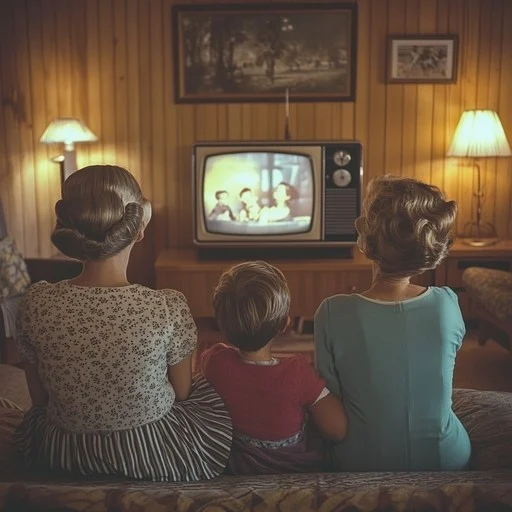
The design of televisions has evolved dramatically since their inception, reflecting advances in technology, changes in consumer preferences, and shifts in home entertainment needs. Here’s a look at how TV design has transformed over the decades, highlighting key innovations and trends.
1. The Early Days: Boxy and Bulky (1920s-1950s)
In the early days of television, designs were dominated by bulky cathode ray tube (CRT) technology. Early TVs were often encased in large wooden cabinets with rounded screens. These early models had small screens compared to today’s standards and were quite heavy. The design focused more on housing the complex electronics and less on aesthetics.
- Key Features: Large wooden cabinets, rounded CRT screens, and substantial weight.
- Design Impact: TV sets were often seen as furniture pieces, with a focus on durability and functionality rather than style.
2. The Slim Era: Flat Screens and Modern Materials (1960s-1980s)
The introduction of flat-screen CRTs in the 1960s marked the beginning of a shift towards more streamlined designs. The 1970s and 1980s saw the rise of slimmer, lighter designs as technology improved. The addition of color screens and remote controls in the 1970s further changed how TVs were used and integrated into home decor.
- Key Features: Thinner CRT designs, introduction of color, and remote controls.
- Design Impact: TVs became more versatile and easier to fit into various living spaces, paving the way for more stylish and diverse designs.
3. The Flat Panel Revolution: LCD and Plasma (1990s-2000s)
The 1990s and early 2000s saw a significant shift with the advent of flat-panel displays. LCD (Liquid Crystal Display) and plasma technologies allowed for much thinner and lighter TVs, transforming both their physical appearance and how they were used.
- Key Features: Ultra-thin profiles, wide screens, and improved resolution.
- Design Impact: TVs could now be wall-mounted, leading to a more modern and minimalist aesthetic. The focus shifted to large screens and sleek designs, with the TV becoming a central visual feature in the room.
4. The Smart TV Era: Sleek and Integrated (2010s-Present)
In the 2010s, smart TVs became the norm, integrating internet connectivity and apps into the TV itself. This era also saw the rise of 4K and OLED displays, offering stunning picture quality and even thinner designs.
- Key Features: Ultra-thin OLED screens, 4K resolution, smart features, and minimal bezels.
- Design Impact: TVs now resemble sleek, frameless panels that blend seamlessly into any decor. The emphasis is on providing an unobtrusive and elegant visual experience while integrating advanced technology.
5. The Future: Flexible and 8K Displays (2020s and Beyond)
Looking to the future, TV design is exploring even more innovative concepts. Flexible displays, rollable screens, and 8K resolution are on the horizon. These technologies promise to further redefine what a television can be.
- Key Features: Flexible OLED screens, 8K resolution, and advanced AI-driven features.
- Design Impact: TVs are expected to become even more adaptable, with designs that can transform and fit a variety of spaces and needs.
Conclusion
The design of televisions has evolved from large, boxy furniture pieces to sleek, ultra-thin panels with cutting-edge technology. Each era of TV design reflects technological advancements and changing consumer preferences, from the early days of CRTs to the modern era of smart and flexible screens. As technology continues to advance, TV designs will likely become even more innovative, offering new ways to integrate entertainment seamlessly into our homes.